
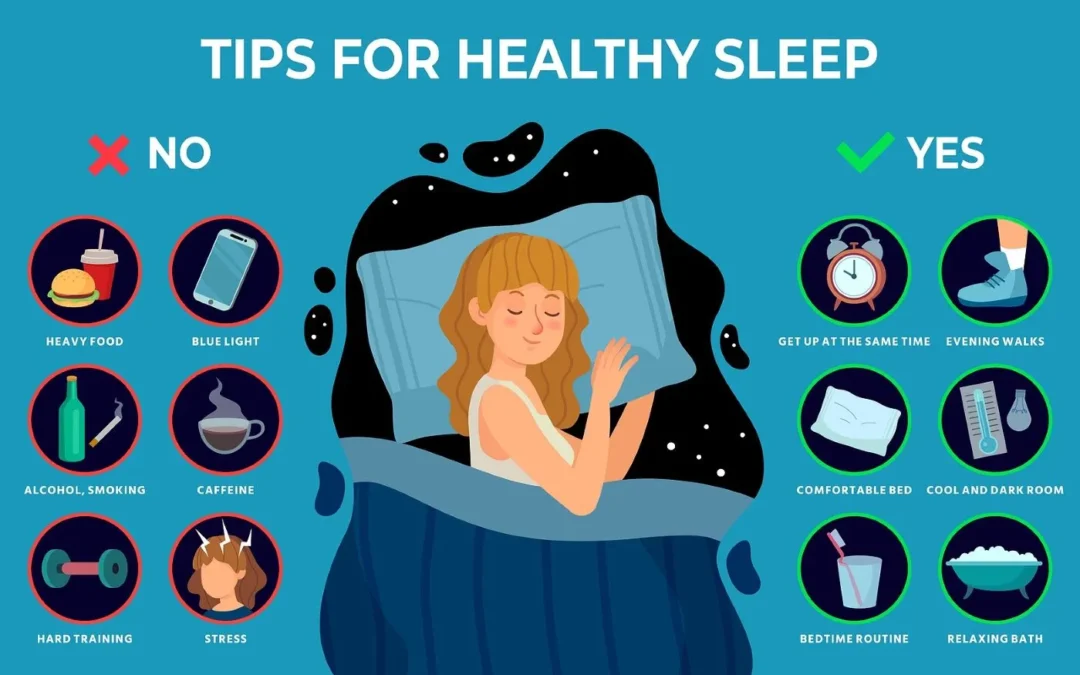
Sleep and its healing power are essential to our well-being yet is often under-appreciated. Research consistently affirms that the quality of our sleep matters.
Our sleeping habits play a critical role in supporting our heart and overall health—and according to new research, maybe even how long we live. Sleep deprivation is associated with an increased risk of chronic health conditions like heart disease and stroke.
Regardless of goals and presenting concerns, quality sleep is the top health practice that I emphasize with those I work with (mental health counseling and wellness lifestyle coaching) as they develop their goals.
Why?
Quality sleep helps strengthen our emotional and mental resilience, cultivate a positive attitude, and mitigate anxiety, depression, burnout and compassion fatigue.
Quality sleep supports areas of our brains that foster sound decision making.
When our sleep quality is poor, it sends our bodies into a state of stress in which excessive amounts of cortisol (the stress hormone) are released. This increase in baseline cortisol adversely impacts our emotional, mental, cognitive and physical health.
Sometimes quality sleep is the one tangible thing that with personal agency, we can take charge of, and open doors to other dimensions of our health and well-being. It affords us feeling masterful and confident, and added momentum to keep investing in our health and well-being.
Quality sleep
Our bodies’ natural repair systems are most active during sleep. Deep sleep triggers the release of growth hormones which promote tissue regeneration and muscle repair.
· Improves our cardiovascular health and adds years to our lives
· Increases our likelihood of being physically active, as well as the efficacy of our exercise and movement
· Helps restore our energy reserves, enhances coordination, and reinforces motor learning for improved strength, flexibility, and functional performance
· Lends greater likelihood of our nutritional hygiene habits that contribute to better sleep quality
· Helps regulate our immune system
· Protects again insulin resistance, a precursor to type 2 diabetes, inflammation and weight gain
Sleep deprivation adversely impacts our health!
FYI: If you find yourself often taking naps in the middle of the day or consistently waking up tired, you likely aren’t getting enough high-quality 😴.
Caution: frequent napping is linked to higher risk of hypertension and stroke.
Guidelines for creating rhythms for effective sleep hygiene
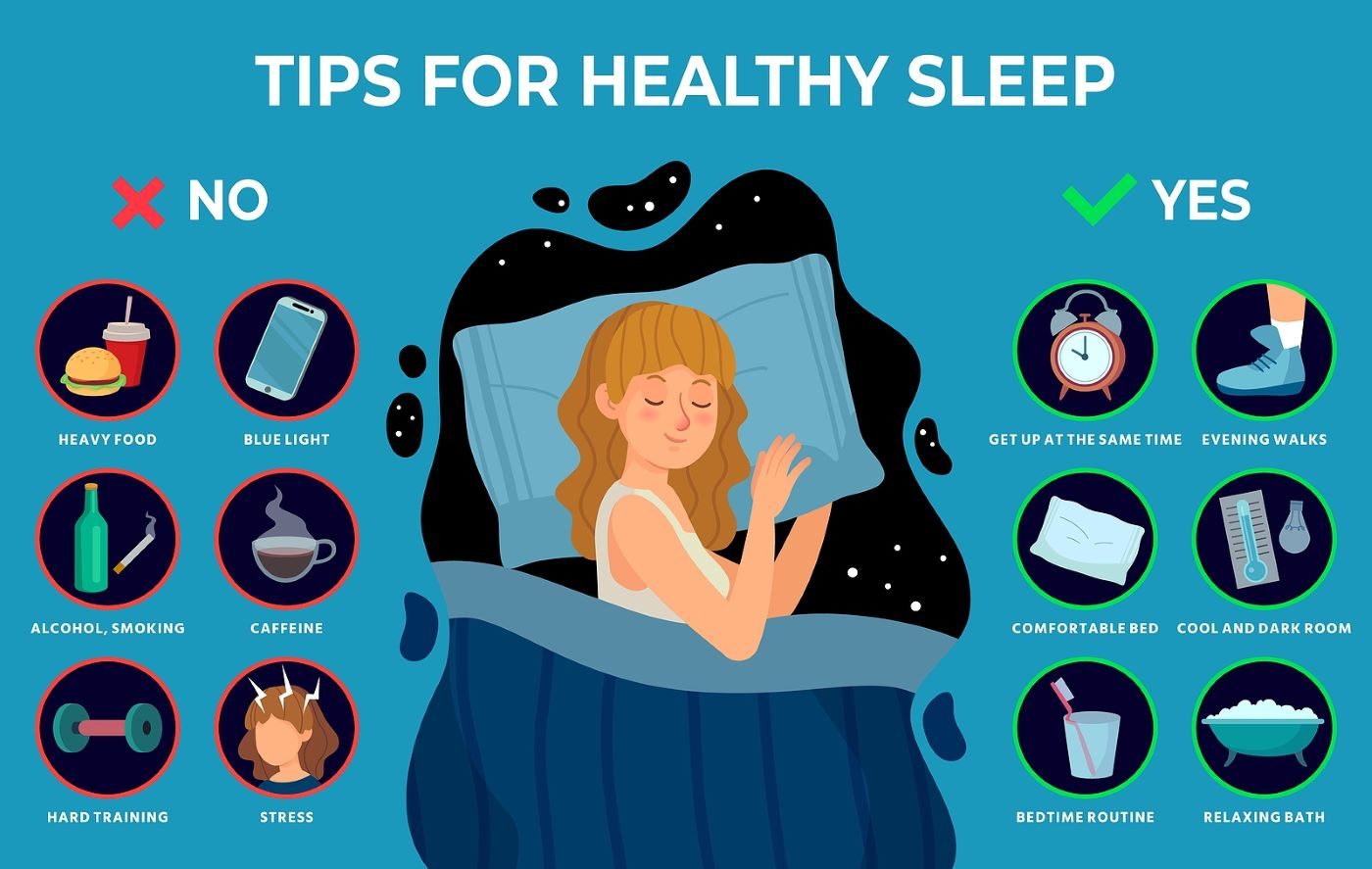
Develop a healthy sleep pattern to facilitate the transition to sleep, help to make it easier to fall asleep at the desired time and stay asleep longer, and leave yourself feeling refreshed and alert while you are awake.
· Duration: Aim for 7-9 hrs. per night
· Wake up calmly: Try a progressive sound or a song you enjoy as an alarm
· Try to get some light exposure first thing in the morning to further train your circadian rhythm and make it easier to wake up
· Keep physically active during the day to help your body prepare for quality sleep
· Address compassion fatigue and burnout– connect with a mental health clinician with whom you feel comfortable
· Rest and take time off when needed
· Create sleep regularity- Keep the same bedtime and wake-up times
· Turn your bedroom into a sanctuary- Optimize your sleeping environment that promotes relaxation and health
→ Ensure your bedroom is cool- Optimal sleep temperature (between 68 and 72 degrees)
→ Minimize external noise and light
→ Invest in a great mattress and good pillow
· To help promote your body’s natural release of melatonin (hormone that sets the stage for sleep), dim/shut off the lights or use low-emission lights like bedside lamps within two to three hours of sunset.
· Establish a consistent and calming wind-down bedtime routine to maintain a healthy circadian rhythm or natural body clock
→ Maintain nighttime habits that bring you a sense of calm for 30 minutes to an hour before bed- reading, journaling, taking a shower, do light stretching, meditating, listening to music, or preparing your clothes for the morning.
→ Simply relax, establishing an hour of “quiet time” before bed
→ 15 minutes of gratitude journaling to help have a more restful and longer sleep with less worry
· Limit screen time before bed
One of the main things that interrupts sleep quality is screen time, watching TV, or being on your phone right before bed
Exposure to blue light in computer screens, phone screens, and TV screens disrupts circadian rhythms and tricks your brain into thinking it’s daytime.
→ Limit exposure to bright lights and electronic devices 30 minutes before bedtime.
→ Consider setting a time limit on your screens to signal your winddown is approaching
→ Put your phone in a drawer or another room so that you aren’t tempted to check it while in bed
Sleep and nutrition are intricately linked: How well we sleep affects what we eat; What we eat affects how well we sleep.
· Nutritional hygiene: Prioritize anti-inflammatory, healthy fats, lean protein and soluble fiber foods
· Close to bedtime, avoid spicy or high-fat foods
· Monitor coffee: End caffeine intake 6 to 8 hours before bed
· Limit alcohol: Avoid alcohol 3 to 4 hours before bedtime (Alcohol disrupts sleeping patterns & has been linked to increased snoring & sleep apnea symptoms.
Prioritize restorative sleep and tap into the body and its natural ability to recover and heal!
- Recognizing the need to invest in refining your sleep hygiene?
- Noticing that stress is challenging your sleep?
- Concerned about irritability, shortness, and compassion fatigue? It’s not you… Disturbed sleep can yield a 70% reduction in our empathy levels. It’s also a leading indicator of burnout.
- Wanting help in moving beyond a poor night’s sleep?
- Eager to explore more natural ways to support quality sleep?
- Ready to prioritize your mental health and well-being?
Let’s meet and explore ways that I can help:
Recent Comments